


Knowledge → Gravel • Updated: season 2026
What gravel rim width makes sense in 2026? 25–28 mm or 30–32 mm?
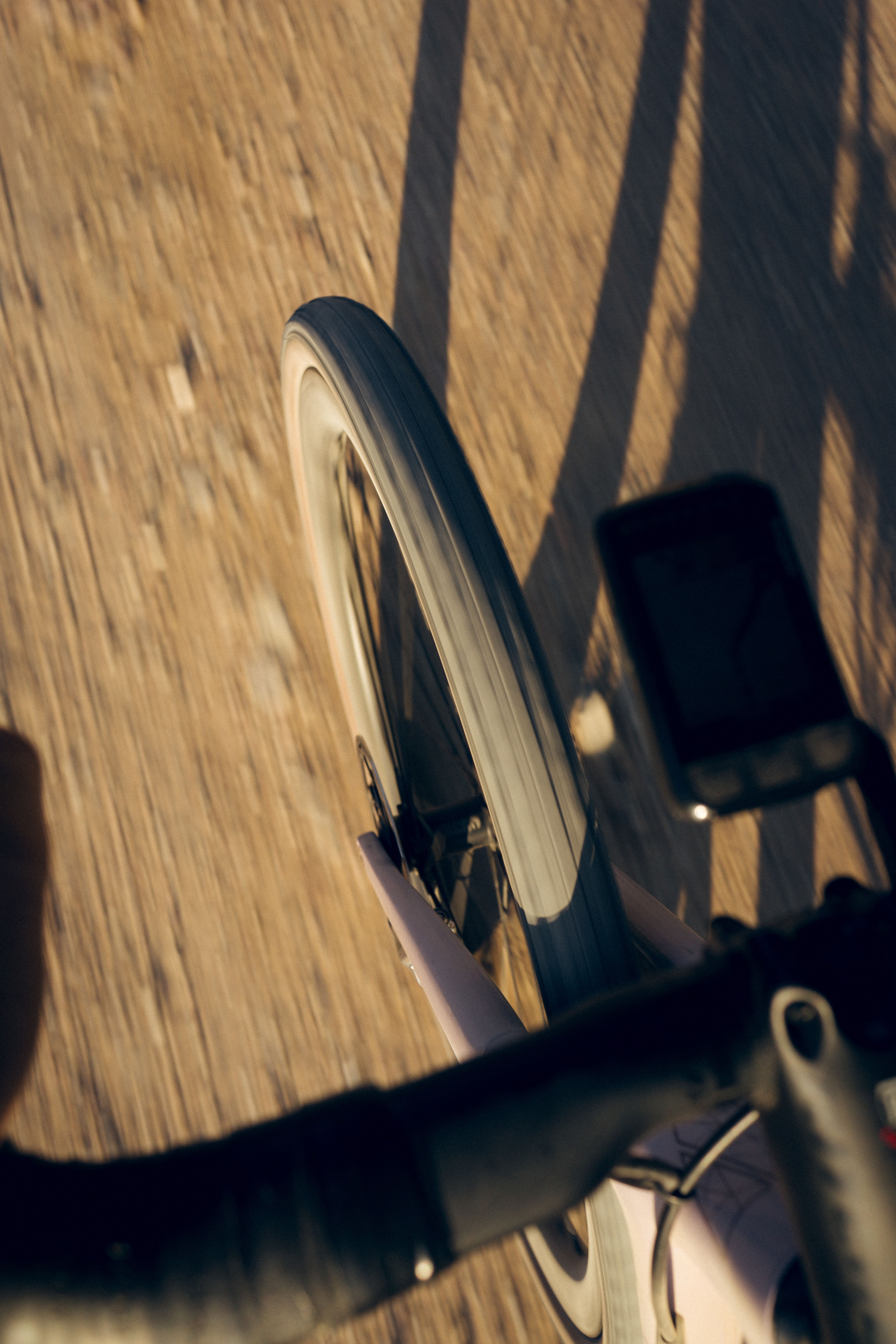
Gravel tires keep getting wider.
45 mm is no longer unusual and 50 mm is becoming increasingly common. This naturally raises the question: should you choose the more versatile 25–28 mm, or go straight to 30–32 mm?
What should you choose?
25–28 mm is currently the most versatile choice for gravel bikes running 40–50 mm tires.
30–32 mm mainly makes sense if you actually ride 47–55 mm+ tires and want maximum side support in rough terrain.
In other words: 25–28 mm is the safer option for most gravel bikes. 30–32 mm is a more specialized solution.
Why does rim width matter?
Internal rim width affects more than just how the tire looks on the wheel. It has a real impact on bike handling, tire stability, usable pressure range and the overall ride feel.
- A wider rim supports a wider tire better.
- The tire becomes more stable in corners and at lower pressure.
- The tire shape changes, and so does the way it behaves off-road.
- A rim that is too wide for a narrower tire can reduce the versatility of the setup and in extreme cases can be dangerous.
25–28 mm — the current gravel standard
For most modern gravel bikes, this range currently makes the most sense. It works very well with 40–45–50 mm tires, gives noticeably more stability than narrower rims, and still remains usefully versatile.
25–28 mm makes sense if:
- you mainly ride 40–50 mm tires,
- you want one wheelset for everything,
- your frame clearance is limited to 45–50 mm,
- you want a balance between speed, comfort and control.
If you are looking for this type of setup, take a look at CarbonOne gravel wheels for 40–50 mm tires .
30–32 mm — a more specialized direction
Wider rims make sense, but not for everyone. This is the direction for riders who actually use very wide tires, run lower pressures and want to get the maximum out of the tire in rougher terrain.
30–32 mm makes sense if:
- you ride 47–55 mm+ tires,
- you are building a more adventure / monster gravel setup,
- you want maximum lateral tire stability,
- you are consciously choosing a more specialized configuration,
- however remember, that going to extremely wide rim, you won't be able to come back to narrower tires.
Practical matching table
| Tire width | Recommended rim | Comment |
|---|---|---|
| 40–42 mm | 25–27 mm | Fast gravel, more universal setup |
| 45 mm | 27–28 mm | The most logical choice for most bikes |
| 47–50 mm | 28–30 mm | More comfort and support in rougher terrain |
| 50 mm+ / 2.1” | 30–32 mm | A more specialized configuration |
If you are planning a setup for 45–50 mm tires, you may also want to see gravel rims for wheel building .
CarbonOne recommendation
If you are building one universal gravel wheelset, 25–28 mm will usually be the most reasonable choice.
If your use case is genuinely wide tires, loose terrain and a more specialized bike, then you can start thinking about 30–32 mm.
If that sounds like your setup, take a look at CarbonOne gravel wheel configurations matched to 40–50 mm tires.
Configuration advice without guessing
If you are not sure which rim width will work best for your gravel bike, we can recommend a setup based on your weight, terrain and tire choice.
FAQ
Does a 30 mm rim make sense with a 45 mm tire?
It can make sense, but in most cases 25–28 mm will be the more versatile and sensible choice.
Will 25–28 mm work with a 40 mm tire?
Yes. In many cases it will work very well, especially if you are looking for a still-versatile gravel setup.
Is 30–32 mm the future of gravel?
It is a growing direction, but it is still more specialized than the default choice for most riders.